
Plumbing Tips
Still Have Galvanized Pipes? Why (and When) to Repipe
February 25, 20263 min readJJB Plumbing Team
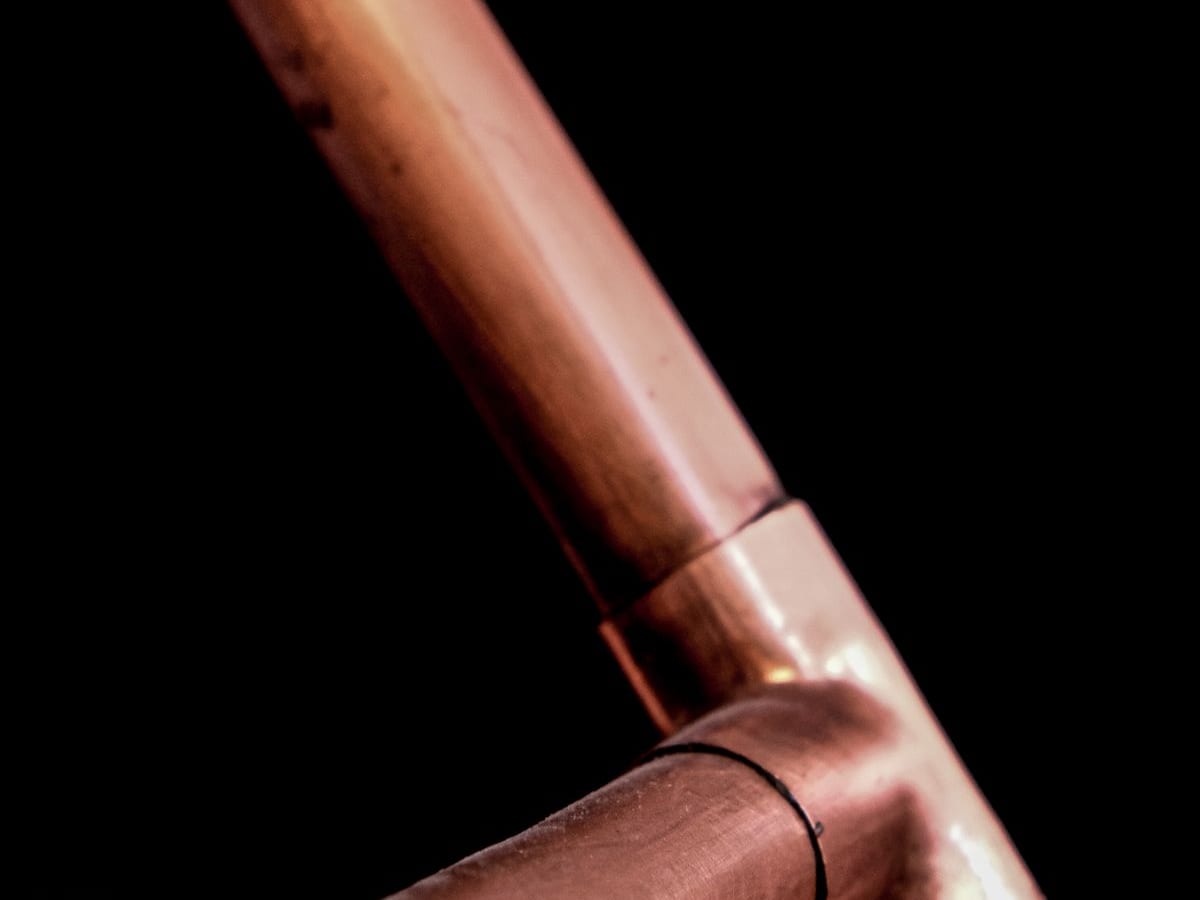
If your home was built before the early 1970s and has never been repiped, there's a good chance galvanized steel is still carrying your water. It was the standard of its day — steel pipe dipped in zinc to slow rust. The problem: slow isn't never. Fifty-plus years later, that zinc layer is long gone and the steel has been rusting from the inside out for decades.
How galvanized pipe fails
Galvanized pipe rarely bursts dramatically. It chokes. Rust builds inward like plaque in an artery, and a pipe that started with a ¾-inch opening may be down to a pencil-width channel. Along the way, the rough rust surface grabs mineral scale from our hard water and builds even faster.
The end game is one (usually several) of these:
- Falling water pressure, worst on the hot side — heat accelerates the corrosion, so hot lines close up first
- Rusty or brown water after vacations or first thing in the morning
- Pinhole leaks where the wall finally rusts through — often inside walls or under the slab, where you won't see them until the damage shows
- Pressure that visibly drops when a second fixture opens — the narrowed pipes can't supply two things at once
How to tell what you have
Find exposed pipe at the water heater connections, in the garage, or under sinks. Galvanized is dull silver-gray, threaded into fittings, and a magnet sticks to it. Copper is, well, copper-colored; PEX is flexible plastic (usually white, red, or blue). A magnet and five minutes tells you most of what you need to know — or we'll check during any service call.
One caution: many older homes have been partially repiped over the years. Copper at the water heater doesn't mean copper in the walls.
Repair or repipe?
Here's the honest framework we give customers:
- First pinhole leak, decent pressure otherwise? A spot repair is defensible. But treat it as your notice — the rest of the pipe is the same age.
- Second leak, or noticeably poor flow? Stop putting money into a failing system. Each repair reconnects new pipe to old pipe that's still corroding.
- Remodeling anyway? Repipe during the project. Open walls make it dramatically cheaper — this is the single best time to do it.
What a repipe involves
A whole-house repipe replaces every supply line with Type L copper or PEX-A — we install both and will explain the trade-offs for your house (copper: rigid, time-proven, adds resale confidence; PEX: fewer fittings, quieter, kinder to tight crawlspaces, excellent freeze tolerance).
A typical single-story repipe takes a few days: we route new lines, keep water on for you each evening, replace angle stops and supply lines at every fixture, upgrade the main shut-off and pressure regulator, and patch access openings. Then you get something homeowners with old pipe forget exists: full, even pressure at every fixture, with clear water every time.
One of our longtime Roseville customers summed up their repipe experience better than we could: "Finding good contractors, plumbers is not easy, but JJB Plumbing comes very, very, very close to perfection."
Get a straight answer
Not every older home needs a repipe today. Some do and the owners don't know it yet. If your pressure has been sliding or you've had a leak, have us take a look — the assessment and estimate are free. Call 916-501-6039.
#repipe#galvanized pipe#older homes#copper#PEX
Written by the JJB Plumbing team
Licensed, bonded & insured (CSLB License #1019647) — serving Roseville and the Sacramento area for 30+ years.

